

In the modern business world, telemarketing continues to play a vital role in reaching potential customers and clients. But even the best salespeople among us need a strong framework to succeed, and when it comes to telemarketing, that framework is the script.
At a high level, it provides a structured conversation for salespeople to follow with their prospects. In reality, though, a seriously good telemarketer script goes way beyond the words on the page. It lays out a strategic roadmap with one tangible target in its sights: boosting your conversions and helping you close more deals.
Writing a great telemarketer script is easier said than done, however. Read on to learn what to do and what not to do as you craft a script that helps you stand out from the crowd.
Understanding the Target Audience
Before crafting a winning sales script, it’s essential to truly understand your target audience. This means going beyond surface-level details and digging into the specific pain points, job titles, and industry challenges your potential customers face. By researching your target audience—analyzing their needs, motivations, and the unique hurdles they encounter—sales teams can tailor their approach to resonate on a deeper level. When a sales script speaks directly to the prospect’s situation, it builds trust and shows that you’re genuinely interested in helping them succeed. This level of personalization transforms a generic pitch into an effective sales conversation, making it much easier to connect with decision makers and demonstrate real value. The more you know about your target audience, the more likely you are to create a sales script that drives results and helps your team stand out.
Creating an Effective Telemarketer Script
The Opening
to decide whether they want to stay on the phone with you. Start with a polite greeting such as “good morning” to set a positive, respectful tone from the outset.
The best way to get through the opening stage of the call is to politely introduce yourself, mention your company name, and reference the prospect’s job title and the prospect’s company for a more personalized approach. If you have a mutual connection, referencing them early can help build trust and credibility. While some recommend starting with small talk to establish a friendly tone, it may be better to skip small talk and get straight to the point to respect the prospect’s time, especially in B2B settings.
A good sales script opening should include an introduction, a quick pitch, questions, qualification, and a clear next step.
Engaging the Prospect
As the call progresses, it’s crucial that you engage the prospect as much as possible. Before the call, prepare a few questions tailored to the buyer persona—consider their role, industry, and even social media activity—to better connect and show you understand their world. This also means actively listening and responding in a way that demonstrates a clear understanding of what has been said.
To that end, open-ended questions are a great way to continue the dialogue and gather more information on the prospect’s needs and wants. Understanding the prospect’s pain points is key to meaningful engagement, so doing research about the client beforehand enables you to ask more relevant and insightful questions about their business and challenges. Asking genuine, thoughtful questions about their pain points shows your prospect you are prepared and care about helping them.
Introducing Your Product or Service and Value Proposition
When it comes time to remind the prospect you’re selling them something, avoid jargon as much as you can. Instead, try to be as clear and concise as possible about how it solves a problem they’re facing. Highlight the key features of your product or service, and if you have a beta program, mention it to create a sense of exclusivity and innovation.
Effective telemarketing scripts should be tailored to different sectors and new customers to build trust and spark interest. A good cold call script is always personalized and focuses on the value for the prospect.
Feel free to get granular with details, too—it doesn’t just show you understand what you’re selling, it proves you’ve been paying close attention throughout the call.
Addressing Customer Needs
Don’t be afraid to get industry-specific when you’re writing this part of your telemarketer script. Referencing the client’s industry in your opening pitch helps personalize your approach and shows you understand their unique challenges. After all, the general set of problems faced by mechanics is very different from the top pain points that B2B software providers deal with.
By tailoring your telemarketing script to be specific to the industry you’re selling to and the prospect’s specific needs, you can take even more guesswork out of the interaction. Sales scripts can be customized for maximum effectiveness across multiple sectors, including B2B, SaaS, real estate, car sales, insurance, and recruitment.
Objection Handling
Objection handling is a crucial part of any telemarketing script, as it prepares you to address customer resistance and overcome common challenges that arise during sales conversations. Objections raised by a prospect can actually be considered a good thing, because they give you the perfect opportunity to build trust and assuage any doubts.
Using a sales script helps organize your responses to objections and common challenges, making it easier to manage them effectively. If your telemarketer script has solid responses built in for the most common objections, you won’t flounder when you face them out in the wild.
Follow Up Steps
Whether or not the call ended with a sale or not, it’s vital to leave things on a positive note. Your sign-off should always make it easy for the prospect to get back in touch if their circumstances change.
And if the call did result in a sale, then you’ll need to have your follow-up ready to go. Whether this means scheduling another call or firing over an email, it never hurts to have these steps written out in plain English. The ideal time to strike is while the iron is hot, of course, so by having your after-call follow-up prepared ahead of time, you’re giving yourself the best possible chance of bringing the deal home.

Avoiding Common Mistakes
Now that you know what to do, let’s take a brief look at what not to do.
Monotone Delivery
Nothing kills the conversational mood like a monotonous delivery. You’re talking over the phone, without micro-expressions and body language to help you communicate your message, so your voice needs to be extra-expressive to compensate.
Not Listening Actively
Humans have become experts at sniffing out people who aren’t really interested in what they’re saying. There’s no way to fake active listening—you’re either doing it or you aren’t, and if you aren’t doing it, you’re not kidding anybody.
Hyper-focusing On The Script
Focusing on the script to the exclusion of the conversation itself is a common mistake. It can be tempting to rely on the document in front of you, but remember that telemarketer scripts exist to serve effective conversations, not the other way around.
Leveraging the Right Tools
If all of the above sounds like a lot to keep track of, don’t worry. Creating effective telemarketer scripts is anything but straightforward.
Fortunately, there are tools you can use to make your life easier, like the Sales Script Generator. Designed by sales professionals, for sales professionals, it gives you drag-and-drop modular blocks you can use to easily build a compelling narrative while asking the right questions at the right times. Best of all, it’s completely free—you can try it out yourself here.

Sample Cold Call Script
A well-crafted cold call script or sales call script can provide a solid start for your cold calling and help you maneuver the conversation. Using effective cold calling scripts gives sales reps the confidence to start their calls, maintain control of the conversation, and increase their chances of success.
Check out this sample telemarketer script we’ve created to give you a rough idea of what to go for.
Introduction
“Good morning, I’m [agent’s name] from [company’s name]. How’s your day going?”
Purpose of Call
“I wanted to chat with you about our [specific product or service] here at [company name]. As the [job title], I believe these new features could be especially useful for your role and objectives.”
Engaging the Prospect
“Would you mind if I ask a few questions to better understand your current process and any challenges you might be facing? For example, how do you currently handle [relevant business need or challenge], and what are some of the biggest pain points you experience with that?”
Presenting the Offer
“Our [product/service] can really help with [specific benefits, like saving time or cutting costs]. For example, [mention a relevant feature or a quick success story].”
Handling Objections
If the prospect has doubts: “I totally get where you’re coming from. Objection handling is a key part of our approach, and we understand there are common challenges that come up in conversations like this—whether it’s concerns about budget, timing, or fit. A lot of our clients felt the same at first, but they found that [offer a solution or counterpoint]. Just to check, if we could address that concern, would you feel comfortable moving forward, or is there something else on your mind?” (This is a test closing question to gauge readiness.)
Closing
“Does this sound interesting? If so, could you connect me with the right person on your team to discuss further? We could schedule a more detailed chat or a quick demo next week at a time that works for you.”
Follow-Up
“Thanks for taking the time to talk! I’ll shoot over an email with more details. And hey, if any questions pop up, feel free to reach out anytime.”
From Script to CRM: Streamlining Your Telemarketing Workflow with noCRM
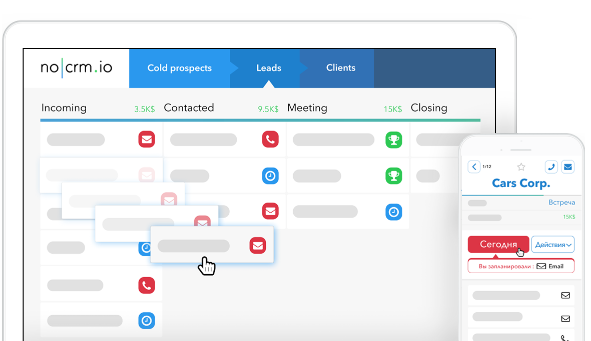
To maximize the effectiveness of your telemarketing script, it’s essential to seamlessly connect your calling efforts with your CRM system. noCRM offers a powerful workflow that integrates script usage directly with prospect management, making it easier for sales reps to stay organized and focused on closing deals. Here’s a step-by-step guide to uploading your prospect list and starting a Power Dialer session within noCRM:
1. Prepare the Prospect List (CSV)
Begin by compiling your list of prospects in a CSV or Excel file, ensuring it includes key information such as Name, Phone Number, Email, and any other relevant details needed for personalized outreach.
2. Upload the CSV into noCRM
- Log into your noCRM account.
- Navigate to Cold Prospects / Prospecting Lists.
- Select Import from Excel / CSV.
- Upload your file and carefully map each column to the corresponding fields in noCRM (e.g., Name, Phone, Email).
- Complete the import process to add your prospects into the system.
3. Organize Prospects for Calling
Use noCRM’s filtering, sorting, and tagging features to prioritize your calling list. Create a daily calling list tailored for each sales rep, focusing on the most promising prospects or specific segments.
4. Start Calling with the Power Dialer
- You can use noCRM’s native click-to-call feature by clicking the phone icon inside a lead’s profile. This works seamlessly with calling tools like FaceTime or other apps.
- For a true Power Dialer experience, integrate noCRM with VoIP tools such as CloudTalk, JustCall, Aircall, or RingCentral. These integrations allow calls to be launched with a single click, significantly increasing calling efficiency.
- All calls, notes, and call outcomes can be logged within noCRM, ensuring up-to-date records without extra effort.
5. Qualify & Convert During Calls
- Sales reps can access the telemarketing script created using the sales script generator directly from each prospect’s profile in noCRM. This keeps the conversation focused and consistent.
- Answers and notes are saved in the prospect’s card with a single click, linking script usage directly to CRM data.
- Qualified prospects can be converted into leads instantly within noCRM, streamlining the sales process.
- Contacts who are not interested can be marked accordingly, helping refine future outreach efforts.
By linking your telemarketing script to noCRM’s prospect management and calling tools, your sales team gains a cohesive workflow that enhances productivity, ensures data accuracy, and ultimately helps close more deals.
Conclusion
Creating an effective telemarketing script is a powerful way to boost your cold calling success and elevate your sales game. By understanding your target audience, crafting a clear and personalized sales pitch, and preparing to manage objections, you set the stage for meaningful conversations that build rapport and qualify prospects effectively. Remember, a winning telemarketing script is not a rigid script to be followed word-for-word but a flexible guide that helps sales development representatives maintain a natural flow and stay focused on the sales process.
Incorporating proven script templates and tailoring them to your unique audience allows you to navigate the sales cycle confidently, handle common objections with ease, and ultimately close more deals. Don’t forget the importance of follow-up calls and maintaining contact with warm leads to turn prospects into loyal customers. By continuously refining your script based on feedback and cold calling results, your sales team will be better equipped to track performance, improve conversion rates, and make every phone call count.
With the right approach and tools, your telemarketing efforts can transform from routine calls into valuable opportunities for growth and long-term success.
FAQ
Telemarketing is a direct marketing approach where sales representatives use the phone to contact potential customers to promote products or services.
An effective telemarketing script includes a clear introduction, engaging questions, concise product information, addresses customer needs, handles objections, and outlines follow-up steps.
Common mistakes include monotonous delivery, not listening actively, and adhering too rigidly to the script without adapting to the conversation.
