
Your rep is in the final stages of a deal, but they feel a little anxious about the all-important close. Evoking such emotions of apprehension is a normal feeling, however. Closing a deal is the most rewarding part of any sales process.
Heck, closing is why most reps get into the game in the first place. The thrill of the chase and the pursuit of a lead culminate with the conclusion of a sweet, sweet close. As a manager, you know this feeling all too well. Perhaps it even brings back nostalgic memories of your early days in the field.
But now it’s your job to manage reps and help them become better closers to make sure they get the most vital part of the process right—the close. Here, we bring you our list of the best tried and tested sales closing techniques with the aim of helping you turn your employees into confident closers.
In other words, Always.Be.Closing.
Sales Closing Technique#1, The Sharp Angle Close
From time to time, your reps will face the “what else can you do for me?” question from a prospect. They push the rep to include as many extras as possible before committing to a deal. The potential customer may show interest in the product or service on offer, but they’ll make damn sure the sales rep works for that deal. This is where a closing tactic comes into play, and the sharp angle close is a strategic method to guide the customer toward making a positive decision.

The Sharp Angle Close is a method used to respond to prospects that test limits. When they ask your reps to include incentives, such as add-ons or additional features, make sure the reply is positive but one that is on the terms of the sales rep. Your reps want to avoid a scenario where it looks like they are caving into demands.
Make it clear that the prospect can have the added extras (as long as they aren’t outlandish), but only if they agree to a deal right there and then. The sharp angle close technique is a sales closing strategy that ties concessions or add-ons (like discounts or special offers) to an immediate purchase decision, effectively securing a quick close. Doing so will show that your reps are willing to work with the prospect while creating a sense of urgency and placing the onus very much back on the soon-to-be customer to make an instant purchase decision.
Sales Closing Technique#2, The Assumptive Close
They say assumption is the mother of all mistakes. When it comes to closing, however, it might just the ingredient needed need to get a deal over the line. That’s why the Assumptive Close is so effective – it sees your reps speaking in a way that assumes the prospect will definitely agree to a deal. This is a closing tactic that works best when used at the right moment in the sales process.

The Assumptive Close requires positive words and phrases at the end of sentences that lead to the idea of a closed sale. Perhaps your reps are selling a product with different options available: Instead of asking if there is interest in the product, they should ask which options the prospect would like to take.
The Assumptive Close is also known as the Secondary Question Close, as reps assume a deal has already been agreed. All that’s left is to decide on the kind of deal the prospect signs up for. Eg, which option they will take.
Sales Closing Technique#3, The Urgency Close
The name, “The Urgency Close” could perhaps do with a name change, as it might allude to the idea of getting a prospect to close at all costs. The Time-Sensitive Close might be a better option. This technique is also known as the ‘scarcity close’ because it leverages limited availability, such as exclusive benefits, limited stock, or time-sensitive offers, to create urgency and prompt immediate action. Regardless of the name, you want to avoid your rep selling anything the prospect doesn’t want—as it will lead to an unhappy customer and more problems than it’s worth for your organization.

On most occasions, there’s nothing wrong with giving prospects a nudge in the right direction if they are twiddling their thumbs over a sale, despite showing initial enthusiasm. It might even be that the client is working on a short deadline and needs to make a decision sooner rather than later.
If this is the case, it’s worth throwing around phrases like “this is a limited time offer”, emphasizing that the offer is only available for a short period and that there are no strings attached, meaning there are no hidden conditions or obligations. Heed with caution when using this method, however. The last thing you want is to put unnecessary pressure on would-be clients. But if they have built a good, trusting relationship with the prospect and still dragging their feet, The Urgency Close might be what they need to finalise a deal.
The Now or Never Close technique is another effective approach, as it pressures the prospect to make a decision by offering a special deal that expires soon.
Sales Closing Technique#4, The Ben Franklin Close
Benjamin Franklin, one of the Founding Fathers of the United States, created lists with pros and cons and chose the column with the longest section. The method worked pretty well for building one of the most important countries in the world, so it’s no surprise to learn that it’s efficient for closing sales deals.

The Ben Franklin Close is one of the sales closing techniques that should work particularly well with methodical prospects who like their facts cold and hard. By creating a list of the pros and cons about what they are selling, potential clients will admire your reps’ honesty—especially when it comes to the cons. Using visual aids like charts or graphs can help decision makers better understand the ROI and value of the product, making the benefits more tangible and persuasive.
If they see that your reps can be open and honest about the cons of the product, they will be more inclined to trust their advice. Just make sure that the “pro” side of the argument is longer than the “cons” section.
Sales Closing Technique#5, The Trial Close
The Trial Close is one of the sales closing techniques that works so well as it can be used at any stage during the sales process—not just at the end. Using it throughout the process will also build up the confidence of your reps as they get a series of small confirmations from prospects.

By making little comments during dialogue such as “Are you happy with what we have spoken about today?” and “Do you think our solution could solve your problem?”, reps are building the prospect up to give a positive answer at the end of the deal.
Your rep is continually meeting the buyer’s needs and getting validation in the process. As the rep sees fewer objections to the offering, their confidence will grow at the possibility of a deal. The Trial Close is one of the most commonly used sales techniques.
Sales Closing Technique#6, The Take Away Close
There are many cases where people only show interest in something once they can’t have it. We take things for granted until they stop being available—it’s just how we are wired.
The Take Away Close buys into the theory of making a product or service feel special and like it’s only available to an exclusive club. This technique uses reverse psychology by subtly suggesting that the product or solution might not be suitable for the prospect, which can increase their desire to have it.

If your reps are facing resistance, tell them to remove some aspects of a deal, perhaps moving specific options from the overall package. All of a sudden, the prospect stops thinking about the cheaper deal. Instead, they consider how to get back those previously-removed options.
Bonus Sales Closing Technique, Deploy a Sales Software
While technology has improved—to the point where AI chatbots can handle the early parts of a sale— the human element of selling is still vital. Salespeople are at the forefront of closing deals. Technology can act as an enabler, however.

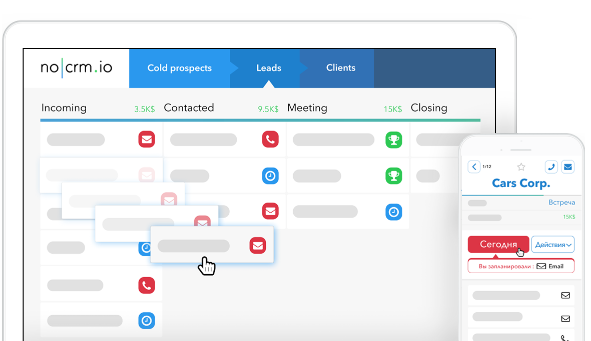
Having a dedicated software that helps manage leads through each phase allows reps to gain marginal wins. With a visual sales pipeline, reps qualify a lead through a phone call or email, then schedule and attend a meeting before hopefully closing.
Having a system in place helps reps close deals more efficiently and reminds them of the next action. Each time the lead moves onto the next stage, your reps can take some confidence from their wins, or “small closes”, to put another way. Personalization over templates is now expected, and using AI for tailored outreach is standard practice in managing the sales pipeline.
Killer Closers
There’s no guaranteeing you’ll close a deal. But with these sales closing techniques, sales people and sales experts can achieve more sales and close more sales deals by applying proven strategies throughout the sales cycle. Using the right sales tactic and sales technique for each potential client is essential, as understanding the prospect’s mind and prospect’s pain points allows you to tailor your approach and build trust. Focus on not just the product, but on the solutions and benefits that address the customer’s unique needs.
Employing the objection close—summarizing the problems and solutions before asking for the sale—greatly increases your chances of getting a yes. Always ask for the sale after addressing objections to gauge the prospect’s readiness to commit, and be prepared to provide solid answers to any questions or concerns that arise. Building customer success and trust throughout the process is key, as sharing customer success stories and metrics can help prospects feel confident in their decision.
Think of the finish line and dotted line as metaphors for closing the deal—guiding the prospect to the point of commitment and signature. These techniques work, as demonstrated by sales experts who consistently use them to overcome objections and facilitate smooth closings. Genuinely helping prospects, practicing active listening, and asking open-ended questions are crucial for building rapport and uncovering true needs.
Sales success is built on trust and credibility, and effective sales closing focuses on reducing buyer anxiety and building value rather than using high-pressure tactics. A consultative approach helps you understand the prospect’s pain points and provide effective solutions. In 2026, successful closings involve recognizing that modern buyers are often 70–90% through their research before engaging with sales, making closing a trust-based, multi-stage process involving multiple stakeholders. With these strategies, your team will be more confident closers, leading to more deals and more targets exceeded.
From Sales Closing Techniques to Day-to-Day Execution
Knowing when and how to use a closing technique is only part of the equation. The real challenge for sales professionals lies in applying these methods consistently and at the right moment throughout the sales cycle.
To help sales professionals effectively apply the best sales closing techniques, the table below bridges popular closing methods with specific noCRM features. noCRM is an action-driven lead management tool built for salespeople, whether working solo, scaling a team, or operating in a high-performance sales environment. By connecting proven strategies to concrete workflow elements, this mapping shows how sales teams can seamlessly integrate closing techniques into their daily process, boosting both closing rates and pipeline management.
| Sales Closing Technique | Corresponding noCRM Feature(s) | How It Helps Your Sales Team |
|---|---|---|
| Sharp Angle Close | • Custom fields • Activity log and comments | Allows reps to document conditional concessions and link them clearly to an immediate commitment, protecting deal value. |
| Assumptive Close | • Estimated closing date • Sales steps • Next action & reminders | Keeps deals moving forward by focusing on the next expected step, helping reps guide the conversation from if to when. |
| Urgency Close (Now or Never) | • Lead status • Next action & reminders • Categories & tags | Helps reps act on time-sensitive offers by making urgency visible and follow-ups non-negotiable. |
| Ben Franklin Close | • Activity log and comments • Email templates • Lead status | Supports transparent pros/cons documentation and clear outcome tracking for methodical buyers. |
| Trial Close | • Activity log and comments • Lead status • Next action & reminders | Helps reps capture small confirmations and objections as they come up, then set a clear next step and follow-up, so they can gauge readiness and progress the deal confidently toward the close. |
| Take Away Close | • Sales steps • Activity log and comments • Lead status | Helps track how prospects react when options are removed and whether that accelerates decisions. |
By integrating these closing techniques with noCRM features, your sales team can not only adopt effective sales tactics but also manage their pipeline with clarity and precision. This approach ensures that closing is not just a theoretical concept but an actionable, trackable part of your sales process.
Start your free trial now and turn proven closing techniques into everyday sales execution.
